For caregivers

A key role for caregivers is to watch out for side effects after the CAR T infusion, especially in between check-ins with the healthcare team. Some side effects may be hard for patients to recognize, and they will need a caregiver after their CAR T infusion. Your CAR T treatment team will give you detailed instructions on what to look for and what to do.
There are other possible caregiving duties, since CAR T patients often deal with fatigue. Patients should avoid driving for 2 weeks after their CAR T infusion, and some patients may require personal supportive care. Your CAR T treatment team will tell you more about what to expect and how you can help.
When preparing for CAR T, you can:
- plan ahead to ensure that you or other caregivers are available at the times when the patient needs someone
- ask or learn more about CAR T
- help get a referral to a medical center that offers CAR T
- organize travel, meals, and a place to stay near the CAR T medical center (if you and the patient don't live nearby)
- coordinate with the CAR T treatment team to schedule appointments and tests
- help gather information needed by the CAR T medical center
- line up support for CAR T (such as financial support if needed)
- make a plan to have someone support you if there is any help that you need
After the CAR T infusion, you can:
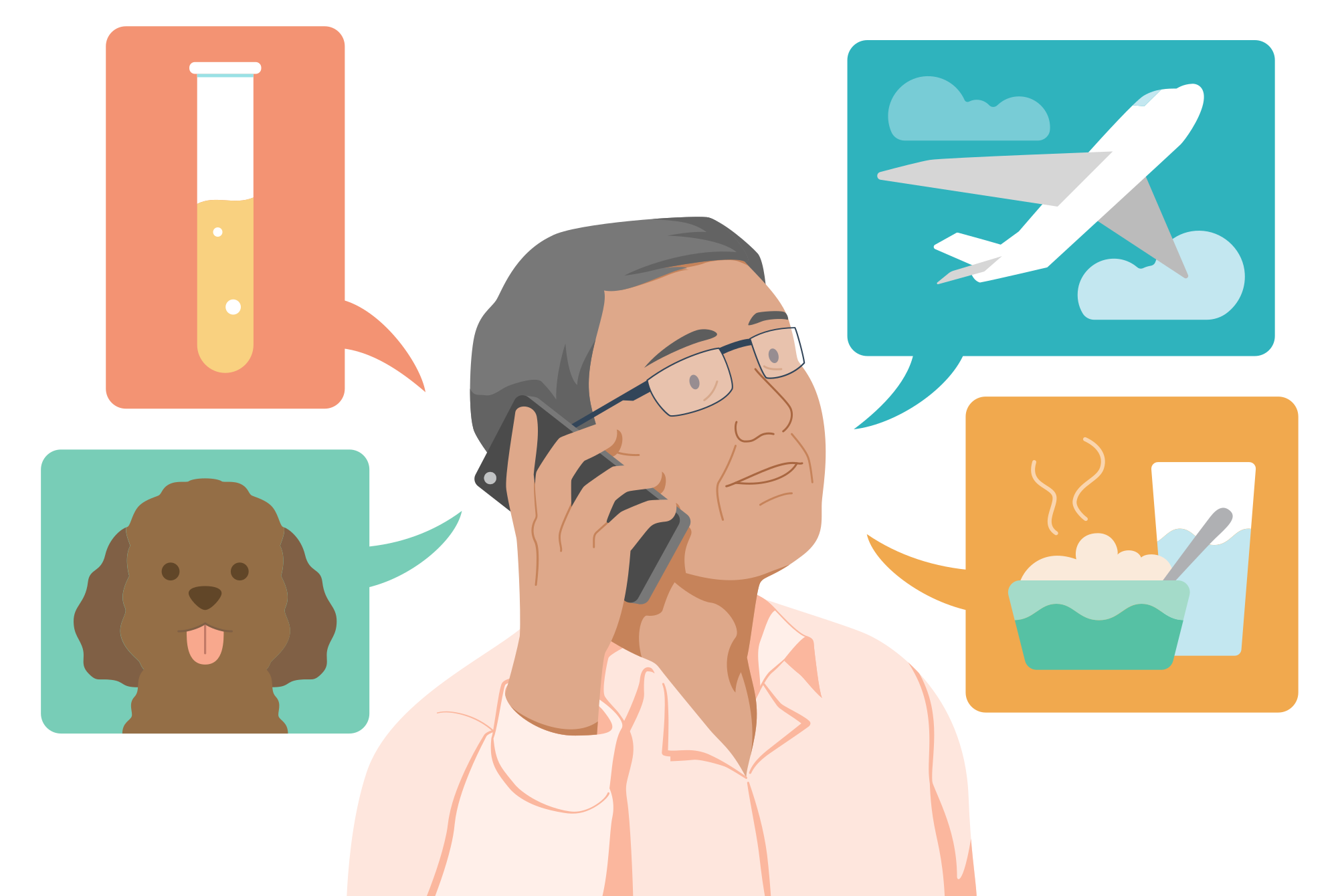
- stay with the patient near a healthcare facility for at least 2 weeks
- watch out for symptoms of CAR T side effects—some side effects may be hard for the patient themselves to notice, and patients will need to be accompanied for a period of time
- continue helping the patient while their energy is low
- help with day-to-day tasks as needed (e.g., grocery shopping, preparing meals, tidying up)
- drive or arrange transportation—the patient should avoid driving for 2 weeks after their CAR T infusion

Caregiver stories: My CAR T experience
“I would say the most important part of caregiving is listening and supporting the person that you’re taking care of.”
- Melissa, CAR T caregiver
![[Tap to play] Thumbnail for a video titled: Caregiver stories: My CAR T experience.](/-/media/project/letschatcart/letschatcart_com/images/caregiver-stories-my-car-t-experience-video-button.png)
You can also help with:
- day-to-day household tasks (groceries, cooking, cleaning, paying bills)
- personal care or hygiene if needed
- medication management
- asking questions and taking notes at appointments
- speaking up and getting the best care for the patient
- getting a second opinion
- helping to communicate with the healthcare team during any part of the process
- BMT InfoNet: The Role of the Caregiver
- Cancer Support Community: CAR T Patient & Caregiver Guide , CAR T Caregivers
- Lymphoma Research Foundation: Care Partners
- National Comprehensive Cancer Network (NCCN): Patient Resources—click on ‘Resources for Patients & Caregivers’


Caregiver stories: Taking care of yourself
“As a caregiver, probably one of the most challenging things to realize or be mindful of is that you have to take care of yourself.”
- Ed, CAR T caregiver
![[Tap to play] Thumbnail for a video titled: Caregiver stories: Taking care of yourself.](-/media/Project/LetsChatCart/LetsChatCart_com/Images/caregiver-stories-taking-care-of-yourself-video-button.svg)