
What can I expect with CAR T?
![[Tap to play] Thumbnail for a video titled: Preparing for CAR T: Terry and Cheryl’s Story.](/-/media/project/letschatcart/letschatcart_com/herobanner/preparing-for-car-t-play-video-button-mobile.svg?iar=0&hash=65094B264DFB647C3131C9DF30655C34)




- after receiving CAR T, many patients saw some, or all, symptoms of cancer disappear. There is a chance that cancer symptoms may come back
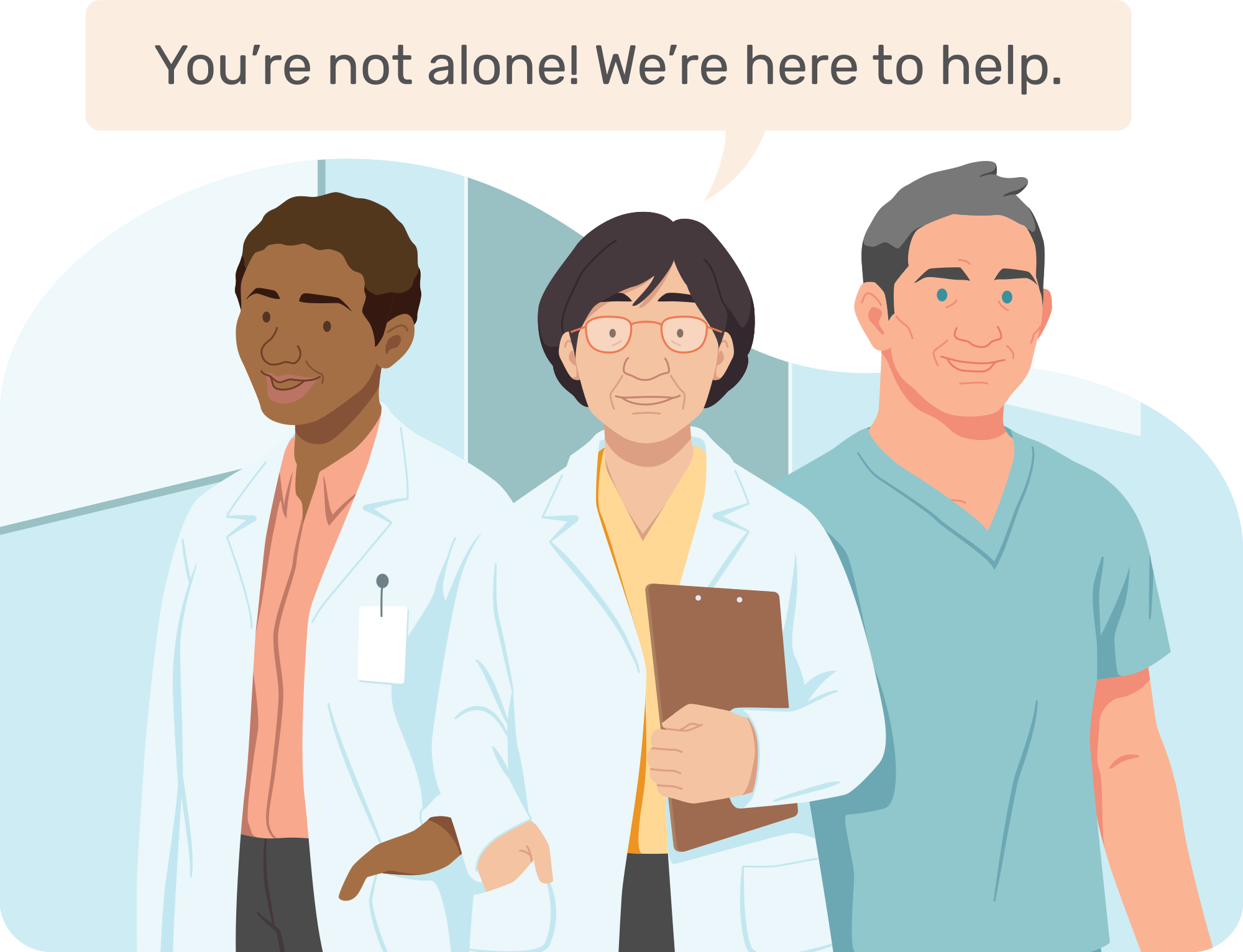
- your CAR T treatment team will be there to support you
- people in different circumstances have been able to receive CAR T
- you can visit the support page to learn about help that may be available if needed
- the entire treatment process generally only happens once
You can let your doctor know if you’d like a CAR T consultation, even if you still need time to think through the details. Ask your doctor if there’s someone who can answer your questions and walk you through what that process might look like. Starting the process sooner can be helpful since each step of CAR T takes time to prepare for.

While CAR T can help your immune system fight cancer, it can also cause your immune system to become overactive or affect the rest of your body in unwanted ways. Side effects can happen with CAR T. Side effects are well studied, and processes for managing them have evolved over time. Your healthcare team will monitor and manage any side effects.
Cytokine release syndrome and neurotoxicity are two side effects that many patients have experienced and can become life-threatening. These are not all the possible side effects of CAR T. There are other CAR T side effects. Please see BMT InfoNet to learn more about side effects.
Each person’s experience and potential side effects will be different. If you and your caregiver notice any symptoms, make sure to tell your healthcare team so they can manage them.
Some examples of the symptoms you may feel are below.

Side effects often occur in the first two weeks after infusion. You’ll need to stay near a healthcare facility during this time so your healthcare team can monitor and manage any side effects you may experience. This includes daily monitoring for at least 7 days. Depending on your circumstances, your healthcare team may wish to monitor you for longer.
You and your caregiver will be an important part of watching for side effects. Your CAR T treatment team will tell you what to watch out for and will provide instructions on what to do if they come up. It’s important to share how you are feeling, and for your caregiver to watch out for any side effects that you may not recognize yourself.
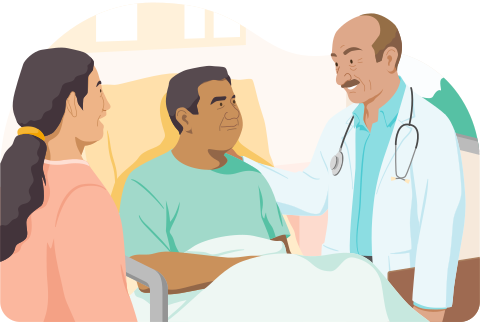
You may be asked to do some tasks to see if there have been any changes in your mental and physical abilities. For example, nurses and doctors may ask you to:
- write something, like a sentence, to monitor changes in your handwriting
- say something, like naming the date and location you are in or pointing to and naming objects in the room, to see how well oriented you are
- follow a simple instruction, like holding up two fingers
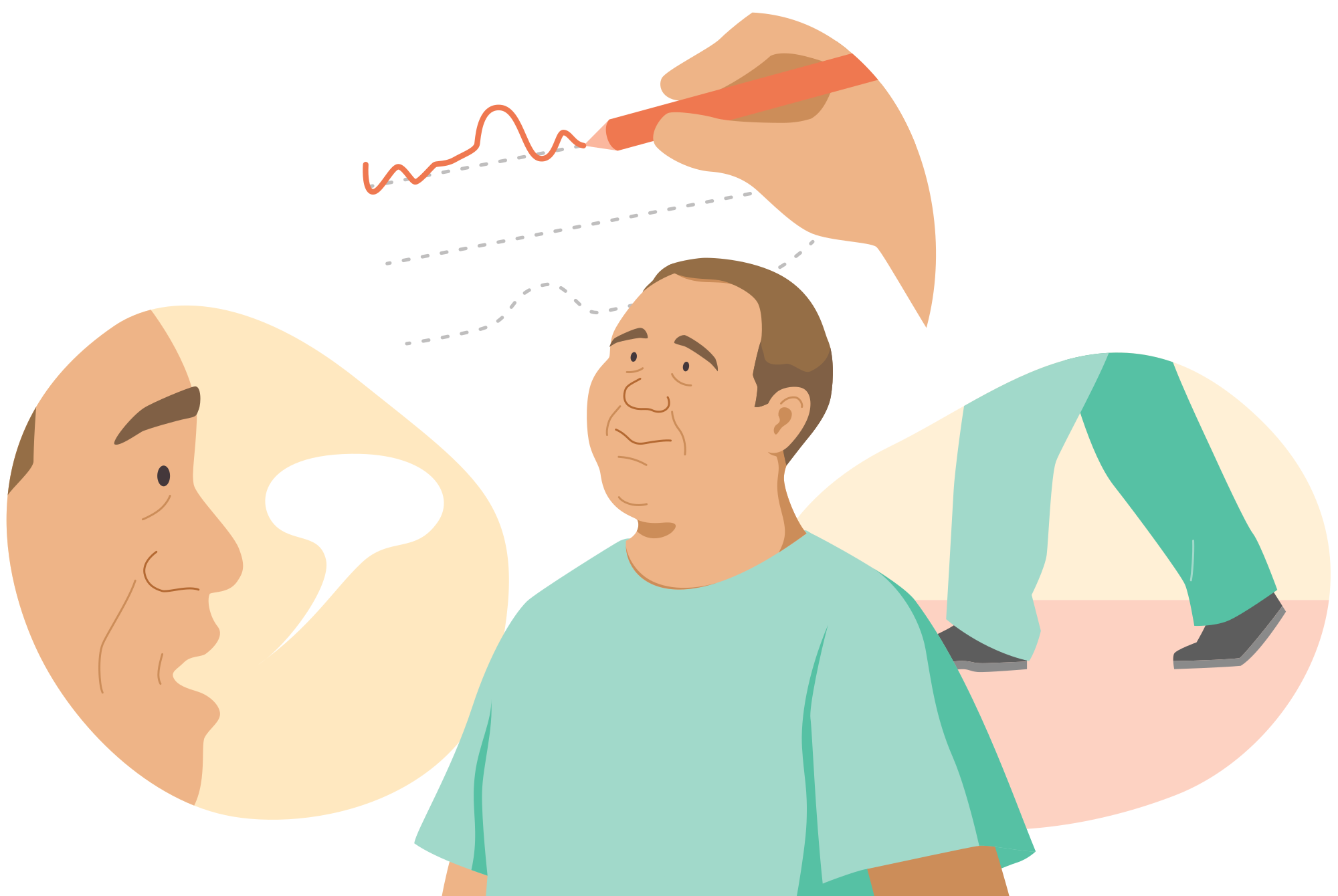
They may also watch for any changes in your body. For example, they will check:
- your temperature to see if you have a fever or an elevated temperature (over 100.4°F or 38ºC)
- your blood pressure to see if you have low blood pressure (hypotension)
- your oxygen levels to see if you have low oxygen levels (hypoxia)
- your blood test results to check for abnormalities
They may also run other tests that aren’t on this list.
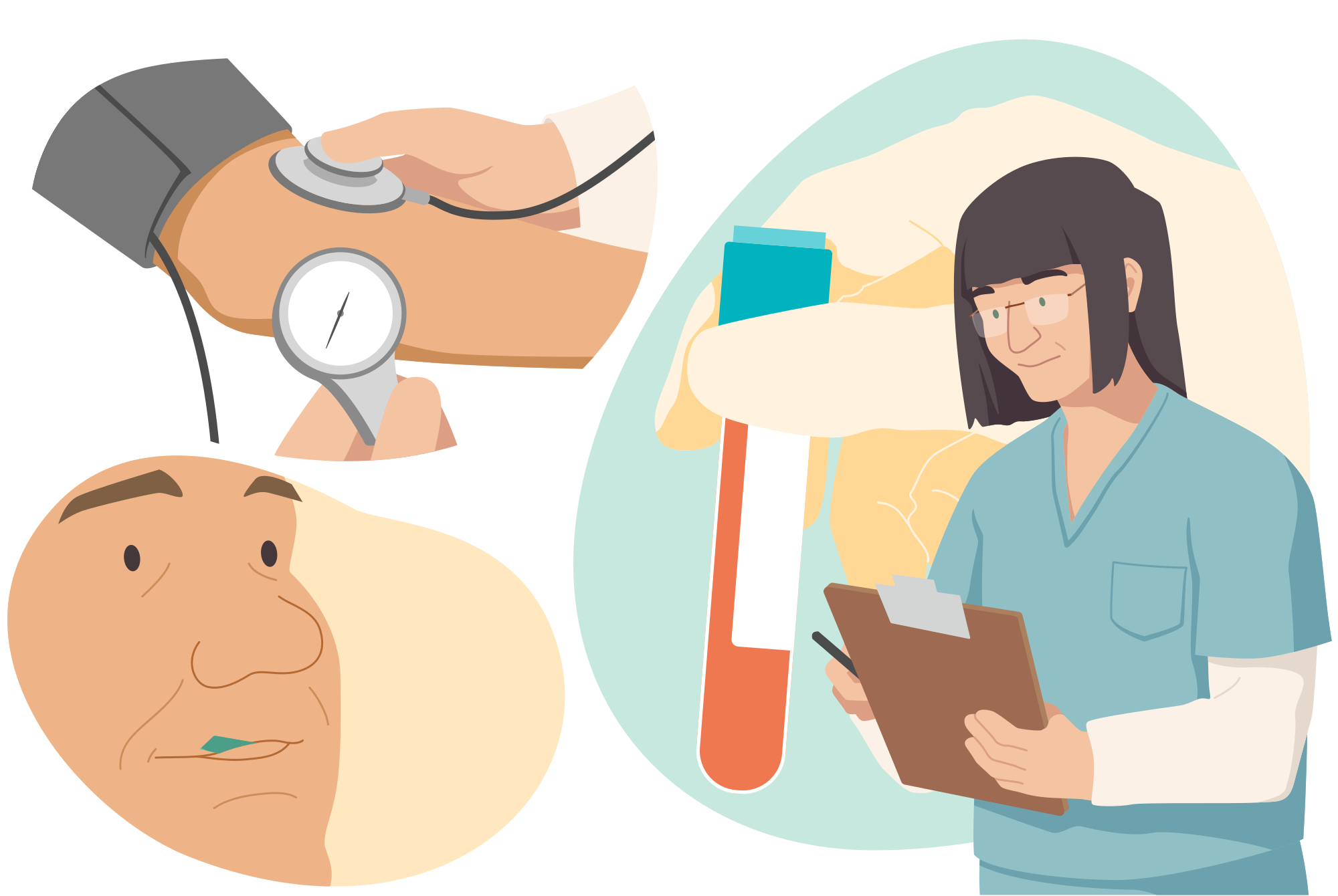
- BMT InfoNet: Side Effects of CAR T-cell Therapy
- National Comprehensive Cancer Network (NCCN): Patient Resources—click on ‘Guidelines for Patients’, then ‘Immunotherapy Side Effects: CAR T-Cell Therapy’ near the bottom of the page